Erp Expert: A Comprehensive Guide To Mastering Enterprise Resource Planning

Expert en ERP un profil rare Globb Security FR
Expert en ERP un profil rare Globb Security FR from globbsecurity.fr

In today's fast-paced business world, organizations are constantly seeking ways to streamline their operations, improve efficiency, and enhance productivity. One tool that has proven to be invaluable in achieving these goals is Enterprise Resource Planning (ERP). An ERP system integrates various business processes and functions into a single platform, providing real-time visibility and control over every aspect of the organization. To truly harness the power of ERP, it is essential to have an ERP expert on board, someone who possesses the knowledge and skills to effectively implement and optimize this transformative technology.

So, what exactly does it take to become an ERP expert? In this article, we will explore the key areas of expertise that a seasoned ERP professional should possess. From technical proficiency to project management skills, we will delve into the various aspects that make an ERP expert an invaluable asset to any organization.

Technical Proficiency

One of the core competencies of an ERP expert is a deep understanding of the technical aspects of ERP systems. This includes proficiency in programming languages, database management, and system integration. ERP experts should be well-versed in the specific ERP software being utilized by the organization, whether it is SAP, Oracle, Microsoft Dynamics, or any other popular ERP platform.

Additionally, an ERP expert should have a strong grasp of business intelligence and data analytics. They should be able to leverage the vast amount of data generated by the ERP system to derive actionable insights and drive strategic decision-making. This requires proficiency in data visualization tools and advanced analytics techniques.

Project Management Skills

Implementing an ERP system is a complex undertaking that requires meticulous planning, coordination, and execution. An ERP expert should have excellent project management skills to ensure a smooth and successful implementation. This includes defining project goals and objectives, developing a detailed project plan, allocating resources, and managing timelines and budgets.

Furthermore, an ERP expert should possess strong communication and leadership skills to effectively collaborate with stakeholders at all levels of the organization. They should be able to clearly articulate the benefits of the ERP system and address any concerns or resistance to change. By effectively managing the project and engaging stakeholders, an ERP expert can ensure a successful implementation that meets the organization's needs and goals.

Business Process Optimization

One of the primary objectives of implementing an ERP system is to optimize business processes and improve operational efficiency. An ERP expert should have a deep understanding of various business functions, such as finance, supply chain management, human resources, and customer relationship management. They should be able to identify bottlenecks and inefficiencies in these processes and propose solutions to streamline operations.

Additionally, an ERP expert should have the ability to customize and configure the ERP system to align with the organization's unique business requirements. This may involve developing custom workflows, creating reports and dashboards, and integrating third-party applications. By optimizing business processes and tailoring the ERP system to the organization's needs, an ERP expert can drive significant improvements in productivity and profitability.

Continuous Learning and Adaptability

The field of ERP is constantly evolving, with new technologies and functionalities being introduced regularly. An ERP expert should have a thirst for knowledge and a commitment to continuous learning. They should stay updated on the latest trends and best practices in ERP implementation and optimization.

Furthermore, an ERP expert should be adaptable and flexible, able to quickly adapt to changing business requirements and technological advancements. They should be proactive in identifying potential issues or opportunities and taking appropriate action. By staying ahead of the curve and embracing innovation, an ERP expert can help the organization stay competitive in today's dynamic business environment.

Conclusion

An ERP expert is a vital asset to any organization looking to maximize the benefits of an ERP system. From technical proficiency to project management skills, business process optimization, and a commitment to continuous learning, an ERP expert possesses a unique set of skills and knowledge that can drive significant improvements in operational efficiency and productivity.

Whether you are considering implementing an ERP system or looking to optimize your existing ERP infrastructure, partnering with an ERP expert can be the key to unlocking the full potential of this transformative technology.

So, invest in an ERP expert and embark on a journey towards streamlined operations, enhanced efficiency, and sustainable growth.

TopicDescription
Technical ProficiencyDeep understanding of ERP software, programming languages, and data analytics.
Project Management SkillsAbility to plan, coordinate, and execute ERP implementations effectively.
Business Process OptimizationExpertise in identifying and resolving bottlenecks in business processes.
Continuous Learning and AdaptabilityCommitment to staying updated on the latest ERP trends and embracing innovation.

Erp Implementation Team: The Key To Successful Implementation

Building an ERP Implementation Team Eventura
Building an ERP Implementation Team Eventura from eventura.com

Implementing an ERP system can be a complex and challenging process. It requires careful planning, coordination, and expertise to ensure a successful implementation. One of the crucial factors that determine the success of an ERP implementation is the ERP implementation team. In this blog post, we will discuss the importance of the ERP implementation team and the key roles and responsibilities they play in the implementation process.

The Role of the ERP Implementation Team

The ERP implementation team is responsible for the successful planning, execution, and management of the ERP implementation project. They are the driving force behind the implementation process, ensuring that it is completed on time, within budget, and meets the business requirements. The team consists of individuals with different roles and responsibilities, each contributing to the overall success of the implementation.

Project Manager

The project manager is the leader of the ERP implementation team. They are responsible for overseeing the entire implementation process, from planning to execution. The project manager ensures that the project stays on track, manages resources, and resolves any issues or roadblocks that may arise during the implementation. They are also the main point of contact for the stakeholders and serve as the bridge between the implementation team and the organization.

Functional Consultants

Functional consultants are experts in specific functional areas of the ERP system, such as finance, human resources, or supply chain management. They work closely with the business users to understand their requirements and translate them into system configurations. Functional consultants also conduct gap analysis, identify customization needs, and provide recommendations for process improvements. Their expertise ensures that the ERP system aligns with the organization's business processes and meets its operational needs.

Technical Consultants

Technical consultants are responsible for the technical aspects of the ERP implementation. They configure the system, develop customizations, and integrate the ERP system with other software applications. Technical consultants also perform data migration, system testing, and troubleshooting. Their technical expertise ensures that the ERP system is properly set up, optimized, and operates smoothly.

Change Management Specialists

Change management specialists play a crucial role in managing the people side of the ERP implementation. They develop change management strategies, communication plans, and training programs to help the organization transition to the new system smoothly. Change management specialists also address resistance to change, manage expectations, and ensure user adoption of the ERP system. Their focus on the human aspect of the implementation ensures that the organization embraces the change and maximizes the benefits of the ERP system.

The Importance of an Effective ERP Implementation Team

An effective ERP implementation team is essential for the success of the implementation. Here are some reasons why:

Expertise and Experience

The ERP implementation team brings a wealth of expertise and experience to the project. They have in-depth knowledge of the ERP system, industry best practices, and implementation methodologies. Their expertise ensures that the implementation follows a structured approach and takes advantage of the system's capabilities. The team's experience also allows them to anticipate and mitigate potential challenges and risks, minimizing the impact on the implementation.

Collaboration and Coordination

The ERP implementation team works collaboratively with the organization's stakeholders, IT department, and end-users. They facilitate communication, gather requirements, and align the implementation with the organization's strategic goals. The team coordinates the efforts of different stakeholders, ensuring that everyone is on the same page and working towards a common objective. Their collaboration and coordination skills enable a smooth and efficient implementation process.

Accountability and Ownership

The ERP implementation team takes ownership of the project and is accountable for its success. They are responsible for meeting project milestones, delivering the expected outcomes, and managing project risks. The team ensures that the implementation stays within budget and meets the organization's quality standards. Their accountability and ownership drive the implementation forward and keep it on track.

Support and Training

The ERP implementation team provides ongoing support and training to the organization's end-users. They address any issues or questions that arise during the implementation and provide assistance in using the new system. The team also conducts training sessions to ensure that the end-users are proficient in using the ERP system. Their support and training efforts enable a smooth transition to the new system and maximize user adoption.

Conclusion

An ERP implementation team plays a critical role in the successful implementation of an ERP system. Their expertise, collaboration, accountability, and support are essential for a smooth and efficient implementation process. By assembling a strong and dedicated ERP implementation team, organizations can ensure that their ERP system meets their business needs and drives operational excellence.

RoleResponsibilities
Project ManagerOverseeing the implementation process, managing resources, resolving issues, and serving as the main point of contact.
Functional ConsultantsUnderstanding business requirements, translating them into system configurations, conducting gap analysis, and providing process improvement recommendations.
Technical ConsultantsConfiguring the system, developing customizations, integrating with other applications, performing data migration, testing, and troubleshooting.
Change Management SpecialistsDeveloping change management strategies, communication plans, and training programs, addressing resistance to change, managing expectations, and ensuring user adoption.

Erp Payroll: Streamlining Your Payroll Processes

ERP Payroll Dashboard by Anand Kumar Singh on Dribbble
ERP Payroll Dashboard by Anand Kumar Singh on Dribbble from dribbble.com

Managing payroll can be a daunting task for any business, but with the help of an ERP system, the process becomes much more efficient and streamlined. ERP payroll software automates the entire payroll process, from calculating employee wages to generating pay stubs and filing taxes. In this article, we will explore the benefits of using ERP payroll and how it can revolutionize your payroll operations.

1. Automated Payroll Processing

One of the key advantages of using ERP payroll software is the automation of payroll processing. With traditional manual payroll systems, HR personnel have to spend hours manually calculating employee wages, taking into account various factors such as overtime, bonuses, and deductions. This not only consumes valuable time but also increases the chances of errors.

However, with ERP payroll, all payroll calculations are automated, ensuring accurate and timely processing of employee wages. The system can handle complex calculations, such as calculating overtime based on different pay rates and automatically adjusting for tax withholdings and deductions. This eliminates the need for manual calculations, saving time and reducing the risk of errors.

Improved Accuracy and Compliance

Manual payroll processing is prone to errors, which can result in incorrect employee wages and compliance issues. With ERP payroll, accuracy is significantly improved as the system performs all calculations automatically, reducing the chances of human errors. Additionally, ERP payroll software is designed to comply with local tax regulations and labor laws, ensuring that your payroll processes are compliant.

By automating payroll calculations and ensuring compliance, ERP payroll software minimizes the risk of payroll errors and helps avoid costly penalties and legal issues.

Efficient Time Tracking

ERP payroll systems often come with integrated time tracking features, allowing employees to record their work hours accurately. This eliminates the need for manual time tracking and reduces the chances of inaccuracies or fraudulent time reporting.

With ERP payroll, employees can easily clock in and out using biometric devices, web-based timesheets, or mobile apps. The system automatically captures the recorded hours and integrates them into the payroll calculations, ensuring accurate and efficient time tracking.

2. Employee Self-Service

ERP payroll software often includes employee self-service portals, empowering employees to access and manage their payroll information independently. Through the self-service portal, employees can view their pay stubs, access tax forms, update personal information, and submit leave requests.

This self-service functionality reduces the administrative burden on HR personnel, as employees can access and manage their own payroll information. It also improves employee satisfaction and engagement, as they have direct access to their payroll data and can quickly resolve any payroll-related queries or issues.

Enhanced Data Security

Data security is a critical concern when it comes to payroll processing. ERP payroll systems offer enhanced data security measures to protect sensitive employee information. These systems often have role-based access controls, ensuring that only authorized personnel can access and modify payroll data.

Additionally, ERP payroll software typically stores data in secure, encrypted databases, protecting it from unauthorized access or breaches. This ensures that employee payroll information remains confidential and secure.

Streamlined Reporting and Analytics

ERP payroll software provides robust reporting and analytics capabilities, allowing businesses to gain valuable insights into their payroll data. The system generates various reports, such as payroll summaries, tax reports, and employee earnings reports, which can be used for auditing, budgeting, and decision-making purposes.

With these reporting and analytics features, businesses can identify trends, analyze labor costs, and make informed decisions to optimize their payroll processes. This data-driven approach helps drive efficiency and cost savings in payroll operations.

3. Seamless Integration with HR and Accounting Systems

ERP payroll software seamlessly integrates with other HR and accounting systems, creating a unified platform for managing all employee-related processes. This integration eliminates the need for manual data entry and ensures that employee data is consistent across different systems.

By integrating payroll with HR and accounting systems, businesses can streamline their overall HR operations and gain a holistic view of their workforce. This integration also facilitates accurate financial reporting and reduces the chances of data discrepancies between payroll, HR, and accounting departments.

Improved Efficiency and Cost Savings

The integration of ERP payroll with HR and accounting systems leads to improved efficiency and cost savings. By eliminating manual data entry and automating processes, businesses can reduce administrative workload and free up HR personnel to focus on more strategic tasks.

Furthermore, the automation of payroll processes reduces the chances of errors, which can result in costly rework and corrections. This helps save both time and money, allowing businesses to allocate resources to other critical areas.

Enhanced Employee Experience

The seamless integration of payroll with HR systems also enhances the overall employee experience. Employees can access their payroll information and perform self-service tasks through a single platform, eliminating the need to switch between multiple systems.

This integrated approach improves employee satisfaction and reduces the likelihood of payroll-related queries or issues. Employees can easily access their pay stubs, update personal information, and view leave balances, enhancing their overall experience and reducing administrative overhead.

In conclusion, ERP payroll software offers numerous benefits for businesses, including automated payroll processing, improved accuracy and compliance, efficient time tracking, employee self-service capabilities, enhanced data security, streamlined reporting and analytics, and seamless integration with HR and accounting systems. By leveraging ERP payroll, businesses can streamline their payroll processes, reduce administrative workload, and ensure accurate and timely payroll processing. Embracing ERP payroll can transform your payroll operations and contribute to the overall success of your organization.

Summary Table:

Benefits of ERP Payroll
Automated payroll processing
Improved accuracy and compliance
Efficient time tracking
Employee self-service capabilities
Enhanced data security
Streamlined reporting and analytics
Seamless integration with HR and accounting systems
Improved efficiency and cost savings
Enhanced employee experience

Erp Pm: Streamlining Project Management For Efficient Business Operations

Integrated ERP with CRM, POS Software in Hyderabad, India
Integrated ERP with CRM, POS Software in Hyderabad, India from techclouderp.com

In today's fast-paced business environment, effective project management is crucial for organizations to stay competitive and achieve their goals. Enterprise Resource Planning (ERP) systems have revolutionized project management by providing comprehensive solutions that streamline operations, enhance collaboration, and improve productivity. In this article, we will explore the concept of ERP PM and delve into its various aspects to understand how it can benefit businesses in 2023 and beyond.

The Evolution of ERP PM

ERP PM has come a long way since its inception. Originally designed to integrate various business functions such as finance, human resources, and supply chain management, ERP systems have now evolved to encompass project management capabilities as well. This integration of project management into ERP systems has proven to be a game-changer for organizations, allowing them to centralize and automate project-related tasks, streamline communication, and improve overall project efficiency.

The Benefits of ERP PM

Implementing an ERP PM system offers numerous benefits for businesses. Let's take a look at some of the key advantages:

1. Enhanced Project Planning and Scheduling

ERP PM provides robust tools for effective project planning and scheduling. With features like Gantt charts, resource allocation, and task dependencies, project managers can create realistic project plans, allocate resources efficiently, and ensure timely completion of tasks.

2. Improved Collaboration and Communication

Effective collaboration is essential for project success. ERP PM systems enable seamless communication and collaboration among team members, stakeholders, and clients. Features like real-time chat, document sharing, and project dashboards ensure everyone is on the same page and working towards a common goal.

3. Centralized Data and Reporting

ERP PM systems centralize project-related data, making it easily accessible to all stakeholders. This eliminates the need for manual data entry and reduces the risk of errors. Real-time reporting and analytics provide valuable insights into project performance, enabling data-driven decision-making.

Integration with Other Business Functions

One of the key advantages of ERP PM is its seamless integration with other business functions. By incorporating project management capabilities into the ERP system, organizations can eliminate data silos and ensure smooth information flow across departments.

1. Finance and Accounting

Integrating ERP PM with finance and accounting modules allows organizations to track project costs, manage budgets, and generate accurate financial reports. This integration enables project managers to monitor project profitability, identify cost overruns, and make necessary adjustments to ensure financial success.

2. Human Resources

ERP PM integration with human resources modules facilitates efficient resource allocation and workforce management. Project managers can easily identify available resources, assign them to specific tasks, and track their availability and utilization. This integration also allows for accurate project costing based on resource utilization and helps in resource planning for future projects.

3. Supply Chain Management

Integrating ERP PM with supply chain management modules ensures seamless coordination between project activities and the procurement process. Project managers can monitor inventory levels, track material requirements, and streamline the procurement process to ensure timely delivery of materials and equipment.

The Future of ERP PM

As technology continues to advance, the future of ERP PM looks promising. With the advent of artificial intelligence (AI) and machine learning (ML), ERP systems will become even more intelligent and automated. AI-powered project management assistants will assist project managers in tasks like resource allocation, risk assessment, and decision-making, further enhancing project efficiency.

Furthermore, the integration of IoT (Internet of Things) with ERP PM will enable real-time monitoring of project activities and equipment performance. This will help in proactive maintenance, minimizing downtime, and ensuring smooth project execution.

Conclusion

ERP PM has emerged as a powerful tool for organizations to streamline project management and drive business success. By integrating project management capabilities into the ERP system, businesses can enhance collaboration, improve communication, and achieve greater project efficiency. As technology continues to evolve, the future of ERP PM holds even more promise, with advancements in AI, ML, and IoT revolutionizing project management practices. Embracing ERP PM in 2023 and beyond will undoubtedly give businesses a competitive edge and pave the way for seamless project execution.

Summary

ERP PM is a comprehensive solution that integrates project management capabilities into the ERP system. It offers enhanced project planning and scheduling, improved collaboration and communication, and centralized data and reporting. ERP PM seamlessly integrates with other business functions such as finance, human resources, and supply chain management, enabling smooth information flow across departments. The future of ERP PM looks promising with advancements in AI, ML, and IoT, making project management more intelligent and automated. Embracing ERP PM in 2023 and beyond will empower businesses to streamline project execution and achieve their goals.

Erp Process Flow: Streamlining Your Business Operations

Sage 300 ERP (formerly ACCPAC) 2012 Version Notes Thinking Tech
Sage 300 ERP (formerly ACCPAC) 2012 Version Notes Thinking Tech from thinkingtech.net

Running a successful business requires effective management of various processes and departments. One key aspect of efficient business operations is the implementation of an Enterprise Resource Planning (ERP) system. ERP process flow refers to the sequence of steps involved in the smooth functioning of an ERP system. In this article, we will delve into the different aspects of ERP process flow and how it can streamline your business operations.

1. Requirements Gathering and Planning

The first step in the ERP process flow is to gather requirements and plan the implementation. This involves identifying the needs of your business, understanding the existing processes, and determining the goals you want to achieve with the ERP system. It is crucial to involve key stakeholders from different departments to ensure that all requirements are captured accurately.

During this phase, a project team is formed to oversee the implementation process. The team consists of individuals with expertise in different areas like finance, human resources, operations, and IT. They work together to define the scope of the ERP system, set realistic timelines, and allocate resources accordingly.

2. System Design and Configuration

Once the requirements are gathered and the project plan is in place, the next step is to design and configure the ERP system. This involves mapping the business processes onto the ERP software and customizing it to meet specific business needs. The design and configuration phase ensures that the ERP system aligns with the unique requirements of your organization.

During this phase, the project team collaborates with ERP consultants or in-house IT experts to configure the system based on the gathered requirements. They define the workflows, set up user roles and permissions, and establish integration with other systems if required. The goal is to create a tailored ERP solution that optimizes business processes and enhances productivity.

3. Data Migration and Testing

Once the ERP system is designed and configured, the next step is to migrate the existing data into the new system. This includes transferring data from legacy systems, spreadsheets, and other databases. Data migration is a critical process as it ensures the accuracy and integrity of the information in the ERP system.

After the data migration is complete, thorough testing is conducted to validate the functionality and performance of the ERP system. This involves running test scenarios, identifying and resolving any issues or bugs, and ensuring that the system meets the defined requirements. User acceptance testing is also conducted to involve end-users in the testing process and gather feedback for further improvements.

4. Training and User Adoption

Implementing an ERP system requires proper training and support for the end-users. The success of the ERP system largely depends on how well the employees adapt to the new technology and utilize its features. Therefore, training programs are conducted to familiarize the users with the system and train them on how to perform their tasks efficiently.

During the training phase, employees learn how to navigate the ERP system, enter and retrieve data, generate reports, and utilize the various modules and functionalities. The training can be conducted through workshops, online courses, or one-on-one sessions, depending on the size and requirements of the organization. Continuous support and guidance are also provided to address any queries or challenges faced by the users.

5. Go-Live and Continuous Improvement

After the training and user adoption phase, the ERP system is ready to go live. This means that the system is fully operational and is being used by the organization for day-to-day operations. However, the implementation process doesn't end here. Continuous improvement is an important aspect of ERP process flow.

Once the ERP system is live, organizations monitor its performance, collect feedback from users, and identify areas for improvement. This feedback is used to refine the system, enhance its functionalities, and address any issues or challenges that arise. Continuous improvement ensures that the ERP system evolves with the changing needs of the business and remains a valuable asset in streamlining operations.

In conclusion, ERP process flow encompasses various steps from requirements gathering to continuous improvement. By following a systematic approach, organizations can successfully implement an ERP system and streamline their business operations. The key is to involve stakeholders, design a customized system, migrate data accurately, train users effectively, and continuously refine the system for optimal performance.

Summary

ERP process flow is a sequence of steps involved in implementing and managing an Enterprise Resource Planning (ERP) system. It starts with requirements gathering and planning, followed by system design and configuration. Data migration and testing are crucial steps before training and user adoption. Finally, the ERP system goes live, and continuous improvement is carried out to refine and enhance its functionalities. By following this process flow, organizations can optimize their business operations and achieve greater efficiency.

SEO Title: Streamlining Business Operations with ERP Process Flow

Meta Description: Discover how ERP process flow can help streamline your business operations. Learn about the various steps involved in implementing an ERP system and the importance of each phase.

Erp Ready On Or Off: Exploring The Benefits And Drawbacks

Guide to ERP The essence of ERPs is enterprisereadiness the ability to
Guide to ERP The essence of ERPs is enterprisereadiness the ability to from www.pinterest.com

In today's fast-paced business world, companies are constantly seeking ways to streamline their operations and increase efficiency. One tool that has gained popularity in recent years is Enterprise Resource Planning (ERP) software. ERP software integrates various business functions such as finance, human resources, and inventory management into a unified system, providing real-time data and improving decision-making. However, the question remains: should companies be ERP ready on or off? This article will delve into the benefits and drawbacks of implementing ERP software, helping businesses make an informed decision.

Benefits of Being ERP Ready

Improved Efficiency and Productivity

One of the primary advantages of being ERP ready is the potential for improved efficiency and productivity within a company. ERP software eliminates the need for manual data entry and multiple standalone systems, allowing for seamless integration and automation of processes. This streamlining of operations saves time and reduces the risk of human error, ultimately leading to increased productivity and cost savings.

Enhanced Data Visibility and Decision-Making

Another key benefit of being ERP ready is the enhanced data visibility and real-time reporting capabilities that ERP software offers. With all business functions integrated into a single system, managers and executives have access to accurate, up-to-date information, enabling them to make informed decisions quickly. This improved visibility also facilitates better collaboration across departments, leading to more effective problem-solving and strategic planning.

Streamlined Supply Chain Management

For businesses involved in manufacturing or distribution, being ERP ready can greatly streamline supply chain management processes. ERP software provides end-to-end visibility of the supply chain, from procurement to production to delivery. This visibility allows companies to optimize inventory levels, minimize stockouts, and improve order fulfillment, ultimately resulting in a more efficient and cost-effective supply chain.

Drawbacks of Being ERP Ready

High Initial Investment

One of the main drawbacks of implementing ERP software is the high initial investment required. ERP systems can be expensive to purchase, customize, and implement, especially for small and medium-sized businesses with limited budgets. Additionally, there may be ongoing costs for maintenance, upgrades, and training. It is essential for companies to carefully evaluate the return on investment and consider the long-term benefits before committing to an ERP implementation.

Complex Implementation Process

Implementing an ERP system is a complex and time-consuming process that requires careful planning and execution. It involves migrating data from existing systems, configuring the software to meet specific business needs, and training employees on how to use the new system. This process can disrupt daily operations and may require additional resources and external expertise. It is crucial for companies to allocate sufficient time, budget, and resources to ensure a successful implementation.

Resistance to Change

Another challenge that companies may face when becoming ERP ready is resistance to change from employees. ERP implementation often involves changes to workflows, job roles, and reporting structures, which can be met with resistance from employees who are comfortable with the status quo. Effective change management strategies, such as communication, training, and employee involvement, are essential to overcome resistance and ensure successful adoption of the ERP system.

Conclusion

In conclusion, being ERP ready offers numerous benefits such as improved efficiency, enhanced data visibility, and streamlined supply chain management. However, it is important to consider the drawbacks, including the high initial investment, complex implementation process, and resistance to change. Ultimately, the decision to be ERP ready on or off should be based on a thorough evaluation of the specific needs and goals of the company. By carefully weighing the pros and cons, businesses can make an informed decision and maximize the potential benefits of implementing ERP software.

Summary:

Being ERP ready offers benefits such as improved efficiency, enhanced data visibility, and streamlined supply chain management. However, there are drawbacks, including the high initial investment, complex implementation process, and resistance to change. Companies should carefully evaluate their needs and goals before deciding to become ERP ready.

Erp Shopify Integration: Streamline Your Business Operations

Shopify Integration Marketplace Acumatica Cloud ERP
Shopify Integration Marketplace Acumatica Cloud ERP from www.acumatica.com

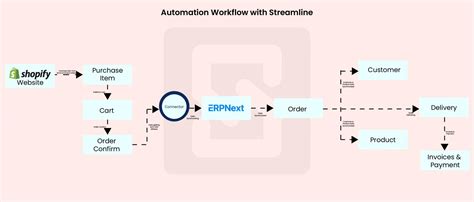
In today's fast-paced digital world, having a seamless integration between your ERP (Enterprise Resource Planning) system and your Shopify e-commerce platform is crucial for the success of your business. By integrating these two powerful systems, you can streamline your business operations, automate tedious tasks, and gain real-time visibility into your inventory, sales, and customer data. In this article, we will explore the benefits of ERP Shopify integration and how it can revolutionize your business.

1. Inventory Management Made Easy

One of the key advantages of ERP Shopify integration is the ability to manage your inventory more efficiently. With a unified system, you can keep track of your stock levels, monitor product availability, and even set automatic reorder points. This ensures that you never run out of stock and can fulfill customer orders without any delays.

Additionally, ERP integration allows you to sync your inventory data between your ERP system and your Shopify store in real-time. This means that any changes made to your inventory, such as new products, price updates, or stock adjustments, are automatically reflected on your e-commerce platform. This eliminates the need for manual data entry and reduces the risk of errors or discrepancies.

2. Streamlined Order Processing

Another key benefit of ERP Shopify integration is the streamlining of your order processing workflow. When a customer places an order on your Shopify store, the integration automatically transfers the order details to your ERP system. This allows you to fulfill the order efficiently, generate shipping labels, and update the customer with tracking information.

Furthermore, by integrating your ERP and Shopify systems, you can automate various order-related tasks, such as invoicing, payment processing, and order status updates. This saves you time and reduces the chances of human error. With a unified system, you can also easily manage returns, exchanges, and refunds, providing a seamless customer experience.

3. Accurate Financial Data and Reporting

ERP Shopify integration also enables you to have accurate and up-to-date financial data. By syncing your sales data from Shopify to your ERP system, you can track revenue, profit margins, and expenses in real-time. This allows you to make informed business decisions, identify trends, and optimize your pricing and inventory strategies.

In addition, integrated systems provide comprehensive reporting capabilities, allowing you to generate custom reports, analyze sales performance, and monitor key metrics. With access to accurate financial data, you can easily identify strengths and weaknesses in your business, identify opportunities for growth, and make data-driven decisions.

4. Enhanced Customer Experience

Integrating your ERP and Shopify systems can significantly enhance the customer experience. With real-time inventory data, you can provide accurate product availability information to your customers, reducing the chances of backorders or cancellations. This helps build trust and confidence in your brand.

Furthermore, by integrating customer data between your ERP and Shopify systems, you can personalize the shopping experience, offer targeted promotions, and provide exceptional customer service. For example, if a customer makes a purchase on your Shopify store, their order history, preferences, and contact information are automatically synced to your ERP system. This allows you to provide personalized recommendations, offer loyalty rewards, and resolve customer inquiries more efficiently.

Conclusion

ERP Shopify integration is a game-changer for businesses looking to streamline their operations, improve efficiency, and enhance the customer experience. By seamlessly connecting your ERP system with your Shopify e-commerce platform, you can automate tedious tasks, gain real-time visibility into your data, and make informed business decisions. Whether you're a small business or a large enterprise, integrating these two powerful systems can revolutionize the way you do business in the digital age.

Benefits of ERP Shopify Integration:
- Efficient inventory management
- Streamlined order processing
- Accurate financial data and reporting
- Enhanced customer experience

Erp Success Stories: Unlocking Business Potential

Top Reasons Your ERP Implementation Failed & The 5 Steps to Success
Top Reasons Your ERP Implementation Failed & The 5 Steps to Success from www.yoh.com

In today's fast-paced business environment, organizations are constantly seeking ways to streamline their operations and improve efficiency. One solution that has gained immense popularity is Enterprise Resource Planning (ERP) systems. ERP software integrates various business processes and functions, providing a centralized platform for managing operations, data, and resources. Over the years, numerous companies have implemented ERP systems and achieved remarkable success. In this article, we will explore some inspiring ERP success stories that highlight the transformative power of these systems.

The Power of Integration: Company A's Journey to Success

Company A, a leading retail giant, faced significant challenges in managing its supply chain operations. With multiple warehouses, suppliers, and inventory management systems, the company struggled to maintain visibility and control over its inventory. This resulted in stockouts, delivery delays, and customer dissatisfaction. Recognizing the need for a unified solution, Company A decided to implement an ERP system.

By integrating its various supply chain functions, including procurement, inventory management, and logistics, Company A gained real-time visibility into its inventory levels, supplier performance, and order fulfillment processes. This enabled the company to optimize its inventory, reduce stockouts, and improve delivery accuracy. As a result, customer satisfaction levels soared, and Company A experienced a significant increase in sales and profitability.

The Transformational Impact of ERP on Company B's Financial Management

Company B, a global financial services provider, was facing challenges in managing its complex financial operations. With multiple subsidiaries and business units spread across different geographies, the company struggled to consolidate financial data and generate accurate reports in a timely manner. This hindered its ability to make informed decisions and comply with regulatory requirements.

To overcome these challenges, Company B implemented an ERP system that integrated its financial processes, including general ledger, accounts payable, and receivable. The ERP system provided a single source of truth for financial data, enabling Company B to consolidate its financial information from various subsidiaries and business units. This streamlined the financial reporting process, improved data accuracy, and ensured compliance with regulatory standards. As a result, Company B was able to make informed financial decisions, mitigate risks, and enhance its reputation in the market.

Streamlining Operations: Company C's Journey to Efficiency

Company C, a manufacturing company, was grappling with inefficiencies in its production processes. The lack of coordination between its production, inventory, and procurement departments resulted in frequent stockouts, production delays, and increased costs. Recognizing the need for a holistic solution, Company C implemented an ERP system.

With the ERP system in place, Company C achieved seamless integration between its production, inventory, and procurement departments. This enabled real-time visibility into production schedules, inventory levels, and supplier performance. By optimizing its production processes, reducing inventory carrying costs, and improving supplier collaboration, Company C achieved significant cost savings and improved production efficiency. The ERP system also facilitated better demand forecasting and planning, enabling the company to meet customer demands more effectively.

The Customer-centric Approach: Company D's Journey to Excellence

Company D, a leading e-commerce retailer, faced challenges in delivering a seamless and personalized customer experience. The lack of integration between its customer relationship management (CRM) and order fulfillment systems resulted in disjointed customer interactions and order processing delays. To address this, Company D implemented an ERP system that integrated its CRM and order fulfillment processes.

The ERP system enabled Company D to gain a 360-degree view of its customers, including their preferences, purchase history, and interactions. This allowed the company to deliver personalized marketing campaigns, tailored product recommendations, and exceptional customer service. By streamlining its order fulfillment processes, Company D also improved order accuracy, reduced shipping delays, and enhanced customer satisfaction. As a result, the company experienced a significant increase in customer loyalty and repeat purchases.

In conclusion, ERP systems have proven to be game-changers for numerous organizations across various industries. These success stories demonstrate the transformative power of ERP in streamlining operations, improving efficiency, and enhancing customer satisfaction. By implementing an ERP system, businesses can unlock their full potential and stay ahead in today's competitive landscape.

Summary Table

CompanyIndustryChallengeSolutionBenefits
Company ARetailSupply chain inefficienciesERP integrationImproved inventory management, increased sales
Company BFinancial ServicesComplex financial operationsERP implementationStreamlined financial reporting, informed decision-making
Company CManufacturingInefficient production processesERP system integrationCost savings, improved production efficiency
Company DE-commerceDisjointed customer interactionsCRM and order fulfillment integrationPersonalized customer experience, increased loyalty

Erp System Manager: The Key To Efficient Business Operations

How Current ERP Management Style Suits Open Source Solutions
How Current ERP Management Style Suits Open Source Solutions from wperp.com

In today's fast-paced and highly competitive business landscape, organizations need to find ways to streamline their operations and improve efficiency. This is where an ERP System Manager comes in. By implementing and managing an Enterprise Resource Planning (ERP) system, businesses can optimize their processes, enhance productivity, and drive growth. In this article, we will delve into what an ERP System Manager does and the benefits they bring to an organization.

The Role of an ERP System Manager

An ERP System Manager is responsible for overseeing the implementation, configuration, and maintenance of an organization's ERP system. They are the go-to person for all things related to the ERP system and play a crucial role in ensuring its smooth operation. Their responsibilities include:

1. System Implementation and Configuration

One of the primary tasks of an ERP System Manager is to lead the implementation and configuration of the ERP system. This involves understanding the organization's business processes, identifying the modules and functionalities required, and customizing the system to meet the specific needs of the organization. The ERP System Manager works closely with key stakeholders, such as department heads and IT personnel, to ensure a successful implementation.

2. User Training and Support

Once the ERP system is up and running, the ERP System Manager is responsible for training end-users on how to use the system effectively. They conduct training sessions, create user manuals and documentation, and provide ongoing support to address any issues or queries. By empowering users with the knowledge and skills to utilize the ERP system, the ERP System Manager helps maximize its benefits and drive adoption across the organization.

3. System Maintenance and Upgrades

An ERP system requires regular maintenance and upgrades to ensure it remains up-to-date and aligned with the organization's evolving needs. The ERP System Manager is responsible for monitoring the system's performance, identifying and resolving any issues, and implementing necessary upgrades or enhancements. They collaborate with IT teams and vendors to ensure the smooth functioning of the ERP system and minimize disruptions to business operations.

The Benefits of an ERP System Manager

Having an ERP System Manager in place offers numerous benefits for an organization. Let's explore some of the key advantages:

1. Streamlined Processes and Increased Efficiency

An ERP system integrates various business functions, such as finance, human resources, inventory management, and sales, into a single unified platform. By centralizing data and automating processes, an ERP system eliminates manual tasks, reduces duplication of efforts, and improves overall efficiency. The ERP System Manager plays a vital role in ensuring the system is optimized to streamline operations and drive productivity.

2. Enhanced Data Visibility and Decision-Making

With an ERP system, all relevant data is stored in a centralized database, accessible to authorized personnel. This allows for real-time visibility into key business metrics, such as sales performance, inventory levels, and financials. The ERP System Manager ensures data accuracy, integrity, and security, enabling informed decision-making at all levels of the organization.

3. Improved Collaboration and Communication

An ERP system promotes collaboration and communication across different departments and teams. It provides a platform for sharing information, collaborating on projects, and coordinating activities. The ERP System Manager ensures smooth integration and data exchange between various modules, facilitating seamless collaboration and enhancing cross-functional teamwork.

4. Scalability and Flexibility

As organizations grow and evolve, their operational needs change. An ERP system offers scalability and flexibility to accommodate the changing requirements of the business. The ERP System Manager ensures the system is adaptable and can be easily customized or expanded to meet the organization's evolving needs. This enables businesses to scale their operations without any significant disruptions.

The Future of ERP System Management

The role of an ERP System Manager will continue to evolve in the coming years as technology advances and business needs change. With the rise of cloud-based ERP systems and the increasing integration of artificial intelligence and machine learning, ERP System Managers will need to stay updated with the latest trends and technologies. They will play a crucial role in harnessing the power of ERP systems to drive innovation, improve customer experiences, and gain a competitive edge in the market.

In conclusion, an ERP System Manager is a key player in optimizing business operations and driving growth through the effective implementation and management of an ERP system. They oversee system implementation, provide training and support, and ensure its smooth operation through maintenance and upgrades. By streamlining processes, enhancing data visibility, improving collaboration, and enabling scalability, an ERP system manager adds significant value to organizations in today's dynamic business environment.

Role of an ERP System Manager- System implementation and configuration- User training and support- System maintenance and upgrades
Benefits of an ERP System Manager- Streamlined processes and increased efficiency- Enhanced data visibility and decision-making- Improved collaboration and communication- Scalability and flexibility
The Future of ERP System Management- Evolving role with advancing technology- Integration of AI and machine learning- Driving innovation and gaining a competitive edge

Erp Vs Epm: Understanding The Key Differences

What is the difference between EPM and ERP?
What is the difference between EPM and ERP? from glmsaustralia.blogspot.com

In today's fast-paced business world, efficiency and productivity are key factors for success. To achieve this, many companies turn to enterprise resource planning (ERP) and enterprise performance management (EPM) systems. While these two systems may seem similar, they actually serve different purposes and offer distinct features. In this article, we will explore the key differences between ERP and EPM, and how they can benefit your organization.

What is ERP?

ERP, or enterprise resource planning, is a software system that integrates and manages various core business processes. These processes include finance and accounting, human resources, supply chain management, customer relationship management, and more. ERP systems provide a centralized database and real-time information, allowing different departments within an organization to communicate and share data seamlessly.

With ERP, companies can streamline their operations, improve efficiency, and reduce costs. By automating manual processes and eliminating duplicate data entry, ERP systems help eliminate errors and improve data accuracy. This enables organizations to make informed decisions based on real-time data, leading to better overall performance.

What is EPM?

EPM, or enterprise performance management, focuses on strategic planning, monitoring, and managing the performance of an organization. EPM systems provide tools and processes to set goals, develop budgets, track performance, and analyze data to drive better decision-making. EPM systems typically include modules for financial planning and analysis, consolidation and reporting, forecasting, and scorecarding.

With EPM, companies can align their goals and objectives with their financial and operational plans. EPM systems enable organizations to track key performance indicators (KPIs), analyze trends, and identify areas for improvement. By providing a holistic view of the organization's performance, EPM systems help companies make data-driven decisions and optimize their resources.

ERP vs EPM: Key Differences

Scope

The main difference between ERP and EPM lies in their scope. ERP systems cover a wide range of business processes, including finance, HR, supply chain, and customer management. On the other hand, EPM systems focus specifically on strategic planning and performance management.

In simpler terms, ERP is like the backbone of a company, handling day-to-day operations, while EPM is more like the brain, providing insights and guiding the strategic direction of the organization.

Functionality

Another key difference is the functionality offered by ERP and EPM systems. ERP systems provide transactional capabilities, such as processing sales orders, managing inventory, and generating invoices. EPM systems, on the other hand, focus on analysis and planning, providing tools for budgeting, forecasting, and financial reporting.

While both systems handle financial data, ERP systems are more focused on the operational aspects, such as generating financial statements and managing general ledger accounts. EPM systems, on the other hand, provide advanced analytics and performance management functionalities.

Users

The users of ERP and EPM systems also differ. ERP systems are used by various departments within an organization, including finance, HR, operations, and sales. These systems are designed to facilitate collaboration and data sharing across different functions.

EPM systems, on the other hand, are primarily used by finance and executive teams. These systems provide the tools and information needed for strategic planning, financial analysis, and performance management. EPM systems enable executives to monitor the organization's performance and make informed decisions based on real-time data.

Integration

Integration is another important aspect to consider when comparing ERP and EPM systems. ERP systems are designed to integrate and consolidate data from various departments and functions. This allows for a unified view of the organization's operations and facilitates seamless communication between different departments.

EPM systems, on the other hand, may require integration with ERP systems to access financial and operational data. By integrating with ERP systems, EPM systems can provide a more comprehensive view of the organization's performance and enable better decision-making.

Conclusion

Both ERP and EPM systems play crucial roles in helping organizations achieve their goals and improve performance. While ERP focuses on streamlining operations and managing core business processes, EPM provides tools for strategic planning, performance management, and data analysis.

By understanding the key differences between ERP and EPM, organizations can make informed decisions about which system best suits their needs. Whether it's optimizing day-to-day operations or aligning strategic objectives, ERP and EPM systems can drive efficiency, productivity, and success.

ERPEPM
Wide scope, covering various business processesFocused on strategic planning and performance management
Transactional capabilities for day-to-day operationsTools for budgeting, forecasting, and financial reporting
Used by various departments within an organizationPrimarily used by finance and executive teams
Designed for seamless integration and data sharingMay require integration with ERP systems for comprehensive data